Increased Awareness
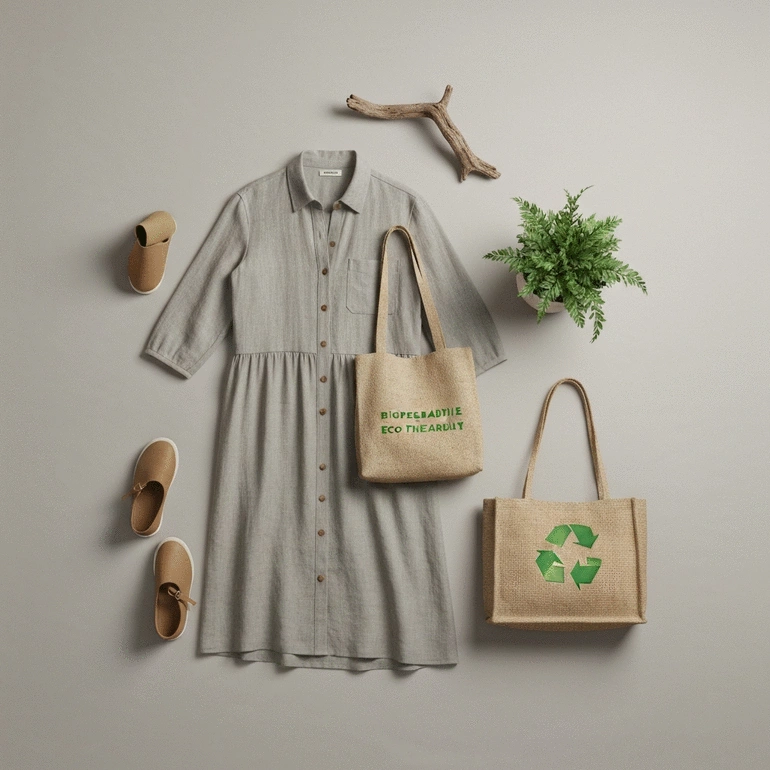
In 2026, sustainable fashion is no longer just a choice; it’s an imperative. As consumers become more eco-conscious, understanding how our clothing choices affect the planet becomes crucial. Are you ready to join the movement for a greener wardrobe?
In 2026, the sustainable fashion movement is driven by increasing consumer awareness and innovation. Below is a visual representation of the key components driving this shift and the role of organic fabrics. For a broader look at what's trending, explore the fashion trends to watch in 2026.
Increased Awareness
Social Responsibility
Innovation in Materials
Organic Cotton
Linen (Flax)
Bamboo
As we step into 2026, it's clear that sustainable fashion isn't just a trend; it's a necessity. The fashion industry has long been criticized for its environmental impact, and now more than ever, consumers are demanding change. At The Stone Builders Rejected, we believe understanding sustainable fashion is crucial for making informed choices that benefit both our wardrobes and the planet!
The rise of eco-consciousness among shoppers is reshaping the clothing landscape. With increasing awareness of environmental issues, many individuals are now prioritizing eco-friendly clothing and practicing responsible shopping habits. This shift is not just about aesthetics; it’s about supporting brands that align with our values and contribute to a healthier planet. To understand how technological advancements are supporting these changes, you might be interested in AI SEO strategies for 2026.
More people are turning to eco-friendly clothing options as they realize the impact of their purchases. Responsible shopping means considering the entire lifecycle of clothing—from production to disposal. Here are some key components driving this movement:
By supporting sustainable practices, we can drive significant change in the fashion industry. This is not just a personal choice; it's a collective movement towards a sustainable future.

As we dive deeper into 2026, several trends are shaping the future of sustainable fashion. These trends reflect a shift towards more thoughtful consumption and innovative practices:
These trends are not just buzzwords; they represent real change in how we think about fashion. It's exciting to see how innovative brands are adapting and thriving within this new paradigm.
Central to the sustainable fashion movement is the use of organic fabrics. These materials are made from crops grown without harmful pesticides or fertilizers—making them not only better for the environment but also for our skin!
Using organic materials is a significant step towards reducing the fashion industry's ecological footprint. By choosing clothing made from these fabrics, consumers are actively participating in the movement toward sustainability.
As we explore sustainable fashion further, it’s essential to highlight brands that are leading the charge in this area. These companies not only offer stylish options but also uphold strong ethical standards. Let's dive into some of the top sustainable brands making a difference this year.
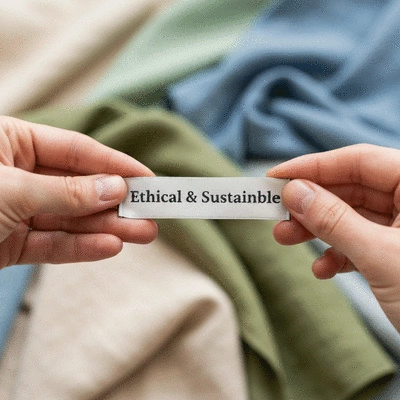
When shopping for sustainable fashion, always check for certifications like GOTS (Global Organic Textile Standard) or Fair Trade. These labels ensure that the products meet high environmental and social standards, giving you peace of mind that your purchase is making a positive impact!
In today's world, every purchase we make carries weight. When we talk about sustainable fashion, we refer to clothing that is produced and consumed in a way that is good for the planet. It’s essential to understand how our buying decisions impact the environment. From the materials used to the labor practices involved, each choice contributes to a larger narrative about sustainability and ethics in the fashion industry.
By opting for sustainable fashion, we are not just filling our wardrobes; we are making a statement. Conscious consumerism can effectively drive change within the industry. As consumers, our choices push brands to adopt more ethical practices and sustainable methods of production, paving the way for a greener future.
Have you ever stopped to think about where your clothes come from? Each garment has a story, and understanding this story is crucial. When you choose sustainable brands, you are supporting methods that prioritize environmental protection and ethical labor practices. Here’s a rundown of how your choices matter:
Every time you make a purchase, consider its impact. By supporting brands that prioritize sustainability, you contribute to a healthier planet!
When you choose to support ethical brands, you’re really investing in the future. By purchasing from companies that prioritize sustainability, you align your values with your wallet. This not only fosters innovation in the fashion industry but also encourages the development of new sustainable practices.
Some key benefits of supporting ethical brands include:
Every purchase is a chance to make a difference. By supporting brands committed to sustainable practices, you play a vital role in fostering change!
Brands like Toms and Allbirds have been at the forefront of the sustainable fashion movement. Toms, known for its one-for-one giving model, has reshaped how consumers view corporate responsibility. For every pair of shoes sold, Toms donates a pair to someone in need, thereby creating a ripple effect of goodwill.
Allbirds, on the other hand, focuses on creating eco-friendly footwear with a commitment to transparency regarding their supply chain. Their use of sustainable materials, such as merino wool and eucalyptus tree fibers, sets a benchmark for other brands to follow.
Here are some ways these brands influence conscious consumerism:
As you make your clothing choices, think about the brands you’re supporting. Each purchase is an opportunity to contribute to a more sustainable future!
The movement towards sustainable fashion is more than just a trend; it's a vital response to the environmental challenges we face today. At The Stone Builders Rejected, we believe in the power of informed choices and the collective impact of conscious consumers!
By engaging with sustainable brands and sharing your experiences, you amplify the message of sustainability and ethical practices. Let's work together to champion eco-conscious choices and advocate for a healthier planet!
Your voice matters! By sharing your experiences and reviews, you can help others make informed decisions. Whether it’s a glowing review of a sustainable brand or constructive feedback, your input encourages brands to continue their positive practices.
Here are some simple ways to get involved:
Let’s create a community dedicated to uplifting sustainable brands and practices!
As we look towards the future, it’s essential to stay informed about upcoming trends in sustainable fashion. The landscape is always evolving, and being aware of these shifts can help you make better choices as a consumer. Some trends to keep an eye on include:
By staying informed, you position yourself as a proactive participant in the sustainable fashion movement. Together, we can create a ripple effect that leads to a more sustainable future for all! Join us at The Stone Builders Rejected as we explore these trends and support brands that are making a difference! For more insights into how technology is shaping industry practices, consider reading about optimizing news with geo-strategy.
Here is a quick recap of the important points discussed in the article: