
Imagine elevating your online presence through the power of video. As digital landscapes evolve, mastering Video SEO becomes a game changer for marketers. What strategies can you implement to ensure your videos capture attention and drive engagement? Let's explore key insights that will set you on the path to success.
What You Will Learn
- Video SEO is essential for improving search engine rankings and increasing visibility in a competitive digital landscape.
- Short-form video content is on the rise, requiring marketers to adapt their strategies for platforms like TikTok and Instagram Reels.
- Effective metadata, including titles and descriptions, significantly enhances discoverability and viewer engagement.
- Monitoring key metrics such as engagement rate and click-through rate is crucial for evaluating the ROI of your video SEO efforts.
- Analyzing engagement metrics helps refine your content strategy and tailor future videos to your audience's preferences.
Video SEO Success Metrics & Impact
Understanding the key metrics and real-world impact of Video SEO efforts is crucial for refining content strategies and achieving measurable growth. For a deeper dive into measuring digital success, check out our article on Measuring Digital Marketing Success.
Understanding Video SEO: The Essentials for 2026
In today's digital landscape, having a solid grasp of Video SEO is crucial for anyone looking to maximize their online visibility. With video content becoming a dominant force, understanding how to optimize it for search engines can make or break your marketing efforts. But what exactly is Video SEO, and why is it important? Let’s dive into the essentials!
Video SEO is the practice of optimizing video content to rank higher in search engines. This involves a combination of keyword research, metadata optimization, and audience engagement strategies. As a content creator at The Stone Builders Rejected, I can attest to the power of video in driving traffic and engagement. In 2026, mastering Video SEO will be more essential than ever given the increasing competition in the digital space. For more insights on content creation, explore our guide on Content Creation Strategies.

What is Video SEO and Why is it Important?
You might wonder, why is Video SEO so significant? The answer lies in user behavior. Recent studies show that videos are more engaging than text-based content, capturing attention and generating higher click-through rates. In fact, including videos in your marketing can lead to a stunning increase in conversion rates.
- Videos boost engagement and retention.
- They rank higher in search engine results.
- Videos can be shared easily, increasing their reach.
By optimizing your videos effectively, you'll not only improve your visibility but also provide valuable content to your audience. This two-fold approach is essential for building trust and authority in your niche.
Key Trends in Video SEO for 2026
As we look ahead, several key trends are shaping the future of Video SEO. Understanding these will help you stay ahead of the curve. For instance, short-form video content is gaining traction, especially on platforms like TikTok and Instagram Reels. This shift presents both challenges and opportunities for marketers.
- Increased focus on mobile optimization.
- Growing importance of video accessibility features.
- Utilization of AI tools for better content analysis and optimization.
Staying informed about these trends will allow you to tailor your Video SEO strategies effectively, ensuring that your content resonates with your audience and meets their evolving expectations.
The Role of Metadata in Video SEO Success
Metadata plays a crucial role in Video SEO. It includes titles, descriptions, and tags that help search engines understand the context of your videos. Optimizing this information is vital for improving discoverability. I’ve seen firsthand how a well-crafted title can significantly impact video performance!
- Titles should be descriptive and include primary keywords.
- Descriptions should provide context and encourage viewers to click.
- Tags help categorize content and improve search visibility.
By focusing on these elements, you're not just enhancing your SEO; you're also making it easier for potential viewers to find and engage with your videos. This foundational step is one of the simplest yet most effective methods to improve your visibility in 2026.
Pro Tip
To enhance your Video SEO, consider leveraging user-generated content. Encouraging your audience to create and share videos related to your brand can significantly boost engagement and authenticity. This not only provides you with fresh content but also fosters a sense of community around your brand, making it more relatable and trustworthy.
Frequently Asked Questions about Video SEO
Evaluating the ROI of Your Video SEO Efforts
As we navigate the dynamic landscape of video SEO in 2026, understanding the return on investment (ROI) of your efforts is crucial. The digital space is competitive, and ensuring your video content delivers measurable results can significantly influence your strategy. So, how do we assess the success of our video SEO initiatives? Let's dive into some key metrics!
Measuring Success: Key Metrics to Monitor in 2026
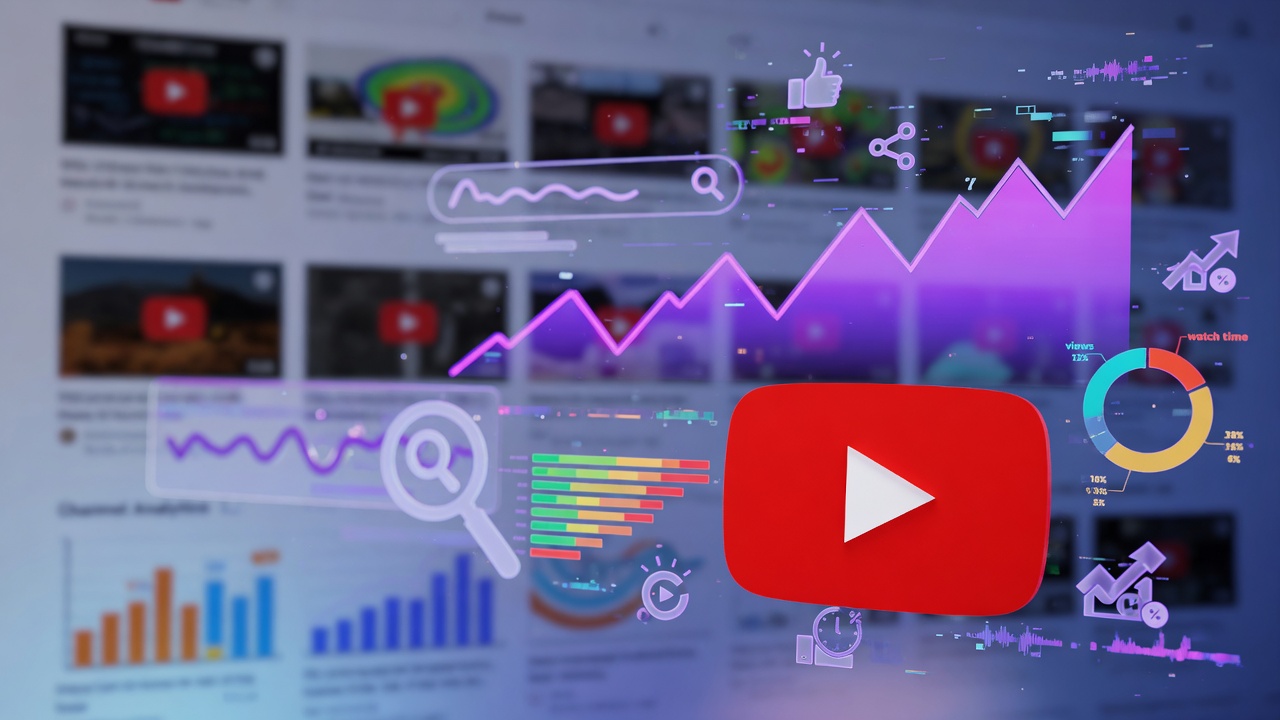
To effectively evaluate the ROI of your video SEO efforts, you need to track several important metrics. Monitoring these metrics can provide insights into how well your videos are performing and where improvements can be made:
- View Count: A basic yet essential metric that indicates how many times your video has been watched.
- Engagement Rate: This includes likes, comments, shares, and overall viewer interaction, giving you an idea of how your audience is connecting with your content.
- Watch Time: This metric reflects the total time viewers spend watching your videos, which is critical for platforms like YouTube.
- Click-Through Rate (CTR): The percentage of viewers who click on your video after seeing the thumbnail or title, indicating how compelling your content is.
By focusing on these metrics, you can assess not only the effectiveness of your video SEO but also identify areas for improvement. For instance, a low engagement rate may prompt you to rethink your content strategy or the way you present information.

Case Studies: Real-World Applications and Results
One way to illustrate the impact of video SEO is through real-world case studies. For instance, a recent analysis showed how a tech startup implemented a targeted video SEO strategy and achieved remarkable results:
- Increased Visibility: The startup saw a 50% increase in search visibility within three months after optimizing their video titles and descriptions with relevant keywords.
- Higher Engagement: By creating engaging thumbnails and compelling narratives, they boosted their average watch time by 40%.
- Improved Conversion Rates: They reported a 30% increase in lead generation from viewers clicking through to their website after watching their videos.
These examples underscore the importance of a well-structured video SEO strategy that not only enhances visibility but also drives engagement and conversions. At The Stone Builders Rejected, we believe in sharing such insights to help our audience navigate their own video marketing journeys!
Analyzing Engagement Metrics for Better Content Decisions
Once you've gathered your data, the next step is to analyze those engagement metrics to inform your content decisions. Here are some tips for making data-driven choices:
- Identify Trends: Look for patterns in your engagement data, such as which types of videos receive the most views or comments.
- Adjust Your Strategy: Refine content based on what works and what doesn't.
- Test and Iterate: Don’t hesitate to try new formats or topics based on your findings. The landscape is always shifting, and staying flexible is key to success! For more on adaptable strategies, read our post on Agile Marketing Strategies.
By implementing these strategies, you're not just measuring success; you're paving the way for future growth. Engaging with your audience based on solid data allows you to create videos that resonate and build loyalty.
Future-Proofing Your Video Strategy
As we look ahead, future-proofing your video SEO strategy becomes essential. The landscape of digital marketing is ever-evolving, and staying ahead means adapting to new trends and technologies.
Recap of Key Points
Here is a quick recap of the important points discussed in the article:
- Video SEO is essential for increasing online visibility and driving engagement.
- Optimizing metadata (titles, descriptions, and tags) is crucial for video discoverability.
- Key trends for 2026 include mobile optimization, accessibility features, and AI tools for content analysis.
- Measuring ROI involves tracking metrics like view count, engagement rate, and watch time.
- Analyzing engagement metrics helps refine content strategies and improve future video performance.
Frequently Asked Questions
What is the key insight from "Implement Video SEO Strategies in 2026: Your Complete Guide to Success"?
Imagine elevating your online presence through the power of video. As digital landscapes evolve, mastering Video SEO becomes a game changer for marketers. What strategies...
How does this story fit the SEO Trends content silo?
This article is published in the SEO Trends silo at The Stone Builders Rejected, covering SEO, AEO, E-E-A-T for readers and AI answer engines.
What will you learn from this article?
Video SEO is essential for improving search engine rankings and increasing visibility in a competitive digital landscape. Short-form video content is on the rise, requiring marketers to adapt their strategies for platforms like TikTok and Instagram Reels. Effective metadata, including titles and descriptions, significantly enhances discoverability and viewer engagement. Monitoring key metrics such as engagement rate and click-through rate is crucial for evaluating the ROI of your video SEO efforts.
Why does SEO Trends matter for search and AI overviews in 2026?
The Stone Builders Rejected optimizes SEO Trends coverage for SEO, AEO, and GEO so Google AI Overviews and generative search engines can cite authoritative, structured answers.
Who published this article and when?
Avery Langston published this report on 2026-01-29 for The Stone Builders Rejected.